
The Real-Time Cost of Curls: Heatless Rods vs. Foam Rollers
A breakdown of which heatless tool actually dries faster and fits your schedule without sacrificing sleep quality.

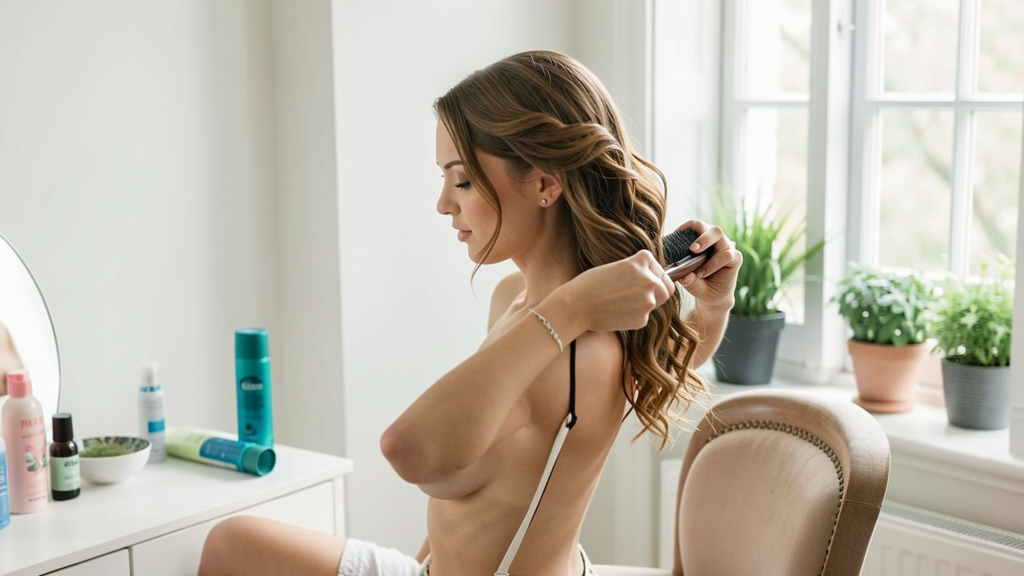
We have all seen the influencer tutorials promising mermaid waves without the damage. You buy the tools, set aside an evening, and wake up looking like you wrestled a raccoon. The reality of heatless styling is rarely as effortless as social media suggests. The friction between the promise of "effortless beauty" and the reality of "wet hair for eight hours" is where most people give up.
In the editorial world, we talk a lot about efficiency. If a technique cannot be replicated consistently, it is not a technique; it is a party trick. When choosing between flexible heatless rods and traditional foam rollers, the debate usually centers on curl pattern. That is the wrong metric to prioritize. The true currency in 2026 is not volume; it is time. Specifically, the time it takes for hair to dry completely and the "set time" required before you can safely remove the tools.
If you are tired of sleeping on miniature boulders only to find damp, frizzy sections in the morning, we need to look at the physics of these tools, not just the aesthetics.
Material Absorption and Airflow
The primary reason one method outperforms the other in terms of speed lies in the material composition. Foam rollers are, by design, sponges. They are porous and designed to absorb moisture to protect the hair from direct heat if you were sitting under a dryer. In a heatless context, this absorbency works against you.
When you wrap damp hair around a foam roller, the foam soaks up the water. It creates a microclimate of humidity around the hair shaft. While this is great for setting a gel cast, it significantly slows down evaporation. I have seen clients leave foam rollers in for ten hours and still find the roots damp at the nape of the neck.
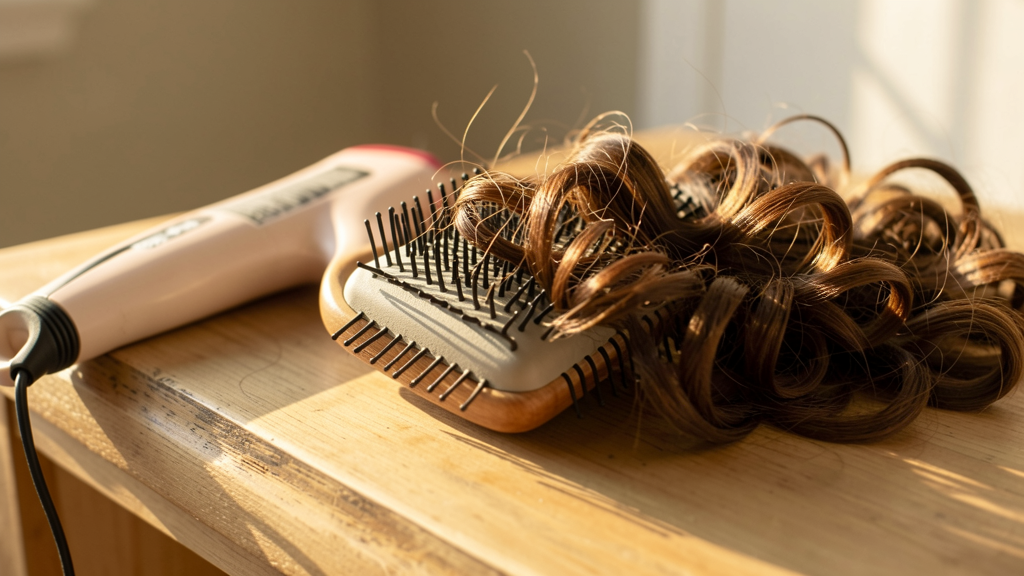
Conversely, flexible heatless rods—often made with a flexible wire core covered in smooth silicone or plastic—do not absorb water. They act as a scaffold. The hair is wrapped around the exterior, leaving the surface area largely exposed to the air. This exposure allows for consistent evaporation from all sides of the strand. For my clients with thick, high-porosity hair, this difference alone can shave four hours off the drying time. The hair dries on the rod rather than in the foam.
If your goal is to wash your hair at 7:00 PM and have it dry and ready to style by 10:00 PM, foam rollers are mathematically the wrong choice.
The Sleep Test: Comfort vs. Durability
Comfort dictates how long you are willing to keep the tools in. If the tool is painful, you will remove it prematurely, resulting in a drop in the curl pattern. This is where the argument for foam rollers usually falls apart.
Sleeping on foam rollers is an exercise in endurance. They are bulky and rigid. When you lay your head on a pillow, the foam compresses unevenly, creating pressure points against your scalp. I cannot count how many clients have complained about headaches after a night with foam rollers. This tension is often exacerbated by the placement; tight rollers at the crown can pull the scalp for hours, leading to that distinct "ponytail headache" sensation. If you find your scalp throbbing after a styling session, you might want to read up on why your ponytail gives you a headache to understand the tension mechanics at play.
Heatless rods, specifically the flexible wire kind, are pliable. Yes, the ends can poke you if you aren't careful with your wrapping technique, but the tool itself conforms to the shape of your head. You can bend them into a U-shape or position them so they lie flat against the skull.
This comfort factor directly impacts time management. Because rods are more tolerable to sleep on, you are more likely to leave them in for the necessary duration. If you must choose between discomfort and a good night's sleep, you will choose sleep, and your curls will suffer for it.
The Tension Trade-off: Volume vs. Definition
Speed is useless if the result does not last. A common misconception is that foam rollers provide more "volume." They do provide lift at the root, which creates the illusion of volume, but the curl itself is often looser and frizzier.
Heatless rods rely on tension. You wrap the hair around the rod tightly, stretching the strand before it cools or dries. This tension is what creates the ribbon-like, smooth ringlets that characterize the "heatless rod look." Because the hair is stretched and dried in that elongated state, the result is shinier and more defined than the fluffy texture from foam rollers.
This distinction matters for your schedule. A loose, frizzy curl from a foam roller might require restyling or refreshing the very next day. A tight, defined set from a rod can be brushed out into a wave that lasts for three days. Spending an extra thirty minutes to apply rods properly saves you time on restyling later in the week.
However, the application of rods requires more precision. You need to anchor the hair at the root, wrap smoothly without overlapping, and secure the ends properly. If you are struggling with your updos sliding out, your wrapping technique might be the culprit. The same principles of anchoring apply here; understanding how to lock bobby pins is a skill that translates to securing the ends of your hair on a roller or rod without the use of metal clips that cause dents.
The Verdict for 2026 Lifestyles
Assessing both tools purely through the lens of time management—drying speed and set duration—the heatless rod is the clear winner for the modern lifestyle. Foam rollers are a relic of an era where we had hours to sit under a hooded dryer. They trap moisture, require excessive set times, and compromise sleep quality.
Heatless rods offer a pragmatic solution: they dry faster due to exposure, they are comfortable enough to wear for a full night's sleep or a shorter afternoon set, and they provide a longevity that justifies the effort. If you have only two hours to get ready before an event, damp hair on rods will dry. Damp hair on foam rollers will still be wet.
The only scenario where I would recommend foam rollers in 2026 is for someone with extremely fine, slippery hair that cannot hold a tension wrap, and even then, I would suggest using them on dry hair with a styling spray rather than on damp hair. For the rest of us looking to save time without picking up a curling iron, the flexible rod is the superior engineering solution.
Efficiency in styling is not about rushing the process; it is about choosing the tool that works in harmony with the properties of water and hair structure. Stop wrestling with damp foam in the morning. The time saved is worth the switch.
Read next
Why Does My Ponytail Give Me a Headache?
Understanding the specific nerve response triggered by tension at the temples can save you from migraines while keeping your style intact.

The Counter-Intuitive Twist: Locking Bobby Pins Against Gravity
A technical breakdown of the friction method and 180-degree rotation that keeps updos intact for over 12 hours.