
4 Cheap Oils That Mimic Expensive Serums by Fatty Acid Profile
Stop paying for packaging; here is how to match high-end silicone blends using specific fatty acid ratios found in drugstore oils.

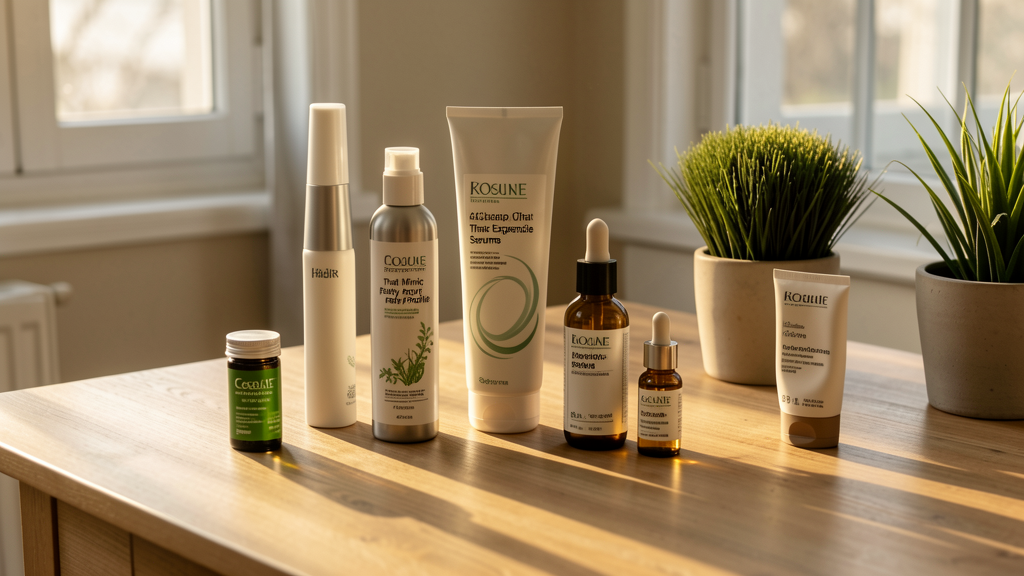
Walk into any high-end salon or Sepora in 2026, and you will encounter the same scene: shelves lined with amber glass bottles promising "liquid gold" transformation. The price tags often hover around the $90 mark, leading clients to believe that the shine they see on the models is proprietary technology unavailable to the average shopper. As a stylist, I watch clients budget their rent money to buy these serums, yet when I analyze the ingredient lists, I see a predictable pattern.
Most luxury serums rely heavily on dimethicone or cyclomethicone to provide that signature slip and glass-like shine. While there is a place for silicones—specifically water-soluble ones—in styling, the actual moisturizing benefit often comes from the carrier oils included in the blend. The marketing genius of these brands lies in convincing you that the slip is the moisture. It isn't. The real secret to replicating these expensive finishes lies not in branding, but in understanding the fatty acid profiles of cheap, single-ingredient oils.
If you are tired of paying for fragrance and marketing, here is how to swap your luxury serum for four specific drugstore oils based on their molecular weight and fatty acid composition.
The Chemistry Behind the $80 Bottle
To effectively mimic a high-end product, we must first understand what we are duplicating. Luxury serums generally aim for two outcomes: high refractive index (shine) and cuticle smoothing (frizz reduction). They achieve this through viscosity. A heavy oil like castor creates too much grip, while a mineral oil creates no penetration. The "sweet spot" is found in oils rich in Oleic acid (monounsaturated fats) for deep penetration or Linoleic acid (polyunsaturated fats) for lightweight, non-comedogenic sealing.
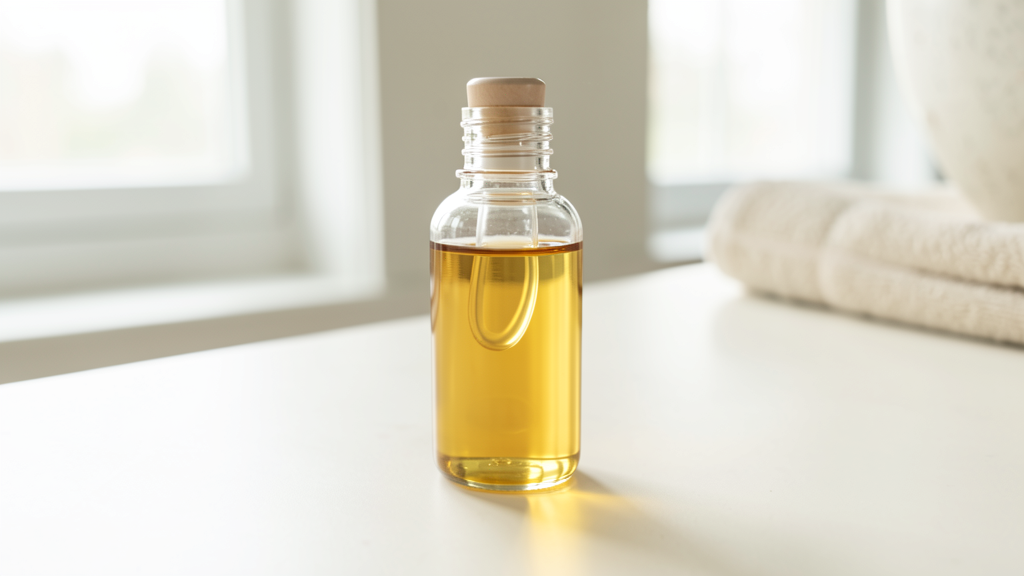
Most expensive "repair" serums are essentially 90% cyclopentasiloxane (a volatile silicone that evaporates) and 10% Argan oil. When the silicone evaporates, you are left with the Argan. By skipping the silicone and choosing oils with similar fatty acid chains to Argan, you get the lasting benefit without the temporary filler. However, Argan itself has become expensive. We need cheaper substitutes that match the C18:1 (Oleic) and C18:2 (Linoleic) ratios of the high-end stuff.
1. High-Linoleic Safflower Oil for the "Glass" Finish
If your favorite expensive serum is marketed as a "dry oil" or specifically for fine hair, it is likely using a silicone blend with a very light carrier oil to prevent weighing the hair down. The best dupe for this texture is High-Linoleic Safflower oil.
You must read the label carefully. Most safflower oil on the shelf is "High Oleic" (used for cooking at high heat), which is heavy and rich. You want the "High Linoleic" variety, often found in the supplement section. Linoleic acid is a polyunsaturated fatty acid with a molecular structure that is incredibly light. It mimics the slip of silicone without the buildup. It penetrates the hair shaft quickly, sealing moisture inside without sitting on the surface creating that "grease ball" look by 2:00 PM.
The Trade-off: Linoleic acids have a shorter shelf life. Because they are polyunsaturated, they oxidize (go rancid) faster than saturated fats. You must keep this in the fridge or buy it in small dark bottles.
Concrete Application: Take two drops of High-Linoleic Safflower oil, rub it between your palms to warm it, and smooth it over your damp, freshly washed hair. This replicates the initial slip of a product like Ouai Hair Oil. It creates immediate high-shine and manages flyaways without coating the strands in plastic. If you are washing your hair with harsh sulfates that strip natural oils, this lightweight barrier is essential. However, if your cleanser is too aggressive, even this light oil won't save you; check my comparison on SLS vs. SLES: Why One Strips Oils and the Other Doesn't to ensure your routine isn't working against this oil.
2. Grapeseed Oil as a Thermal Protectant Base
Many expensive serums claim to offer "heat protection." While some contain specialized polymers, the primary defense against heat styling is often the oil itself creating a physical barrier. Grapeseed oil is a byproduct of the wine industry, making it dirt cheap and readily available, yet it has a high smoke point (approximately 420°F or 216°C).
Its fatty acid profile is dominated by Linoleic acid (around 70%), making it very similar to Safflower but with a slightly higher viscosity and a boost of Vitamin E. This specific composition makes it excellent for mimicking the "glossing" serums used in blowouts. It doesn't absorb as deeply as Oleic-rich oils, meaning it stays slightly more on the surface of the cuticle to reflect light.
The Specific Benefit: It is incredibly dry to the touch. Unlike Coconut oil, which feels wet, Grapeseed oil feels almost like a silicone fluid. This makes it the perfect dupe for high-end styling oils meant for blow-drying.
How to Use: Use this as your pre-blowout cream. Apply a nickel-sized amount to mid-lengths and ends before using the round brush. It mimics the performance of heavy-hitting brands like Moroccan Oil (which uses Argan but relies heavily on silicones for texture) by providing slip that protects the cuticle from friction and thermal damage. For those with thick 3B hair, the thickness matters immensely; if this oil feels too thin, you might need a heavier lotion base, which I discuss in the context of Leave-In Conditioner vs. Lotion: Why Thickness Matters for 3B Hair.
3. Jojoba Oil for Sebum Mimicry
Jojoba is technically a liquid wax ester, not a triglyceride oil. This distinction is critical because human sebum (the oil your scalp produces) is also almost entirely composed of wax esters. Expensive "balance" serums that promise not to weigh hair down while soothing the scalp are usually using Jojoba or derivative esters.
If you have oily roots but dry ends—a scenario I see in 40% of my clients—using a heavy oil like Olive or Avocado will cause the scalp to produce more oil to compensate or simply leave the roots looking flat. Jojoba is unique because it "tricks" the scalp. It provides the moisture signal without the heavy grease.
The Price Comparison: You can buy a 16oz bottle of Jojoba at a health store for $15, whereas a 1oz vial of "Balancing Elixir" from a luxury brand will cost $45. They are chemically nearly identical.
The Caveat: Pure Jojoba has a distinct nutty scent that some dislike, and it can solidify in cooler temperatures due to its wax content. You may need to run the bottle under warm water to liquefy it before use. To mimic a luxury serum, mix 90% Jojoba with one drop of your favorite essential oil (lavender or rosemary). This creates a custom scent that feels far more expensive than the generic "perfume" smell of commercial serums.
4. Sunflower Oil (High Oleic) for Heavy Smoothing
While we want to avoid heaviness for fine hair, thick, coarse, or high-porosity hair requires weight to tame the frizz. High-end "smoothing" serums that promise to eliminate puffiness usually rely on heavier silicones and rich oils like Argan or Macadamia. A cheaper, fatty-acid-identical alternative is High-Oleic Sunflower oil.
Remember how I warned against High-Linoleic Safflower for dry hair? High-Oleic Sunflower is the opposite. It is rich in monounsaturated fats, making it heavy, emollient, and highly occlusive. It creates a physical seal around the hair shaft that locks humidity out.
The Scenario: Imagine it is August 2026, humidity is at 80%. Your client has thick, chemically straightened hair. A dry oil will evaporate or absorb too quickly, leaving the hair puffing up by noon. You need a heavy sealant. High-Oleic Sunflower oil provides that seal. It contains roughly 80% Oleic acid, matching the profile of Argan oil almost perfectly but at a fraction of the cost.
Warning: Do not use this on fine hair. It will look greasy instantly. This is strictly for coarse textures or for sealing the very tips of long hair.
The Stability Trade-off You Cannot Ignore
Switching from $90 serums to $8 oils requires a change in maintenance behavior. Luxury serums are packed with preservatives like phenoxyethanol and chelating agents to ensure the oil remains clear and stable for two years in a steamy bathroom.
Pure, unrefined drugstore oils are alive. They contain enzymes, vitamins, and impurities that can degrade. Specifically, oils high in Linoleic acid (Grapeseed and Safflower) are prone to oxidation. If they smell like crayons or old paint, they have gone rancid. Rancid oil is acidic and can actually damage the hair cuticle and cause scalp inflammation.
To mimic the longevity of a commercial product, transfer your drugstore oil into a dark, amber glass bottle with a dropper (avoid clear plastic or clear glass, as UV light destroys the fatty acids). Keep it in a cool, dark cupboard, not on your bathroom counter where the temperature fluctuates.
The final difference isn't the ingredients; it's the usage. Commercial serums use silicones because they are stable and consistent. Your cheap oil mix is variable. You must learn to adjust the amount day by day—two drops on Tuesday, four drops on Friday. It demands more attention from you, but the payoff is hair that is genuinely moisturized by bio-available lipids rather than coated in synthetic polymers.
Silicone is not the enemy—Silicone Is Not the Enemy: Why Your Hair Needs Water-Soluble Options—but it shouldn't be the only tool in your kit. By understanding the fatty acid profiles of cheap oils, you bypass the marketing tax and feed your hair exactly what it craves. Stop looking at the brand name and start looking at the chemistry.
Read next

Silicone Is Not the Enemy: Why Your Hair Needs Water-Soluble Options
Stop fearing silicones and start choosing the right ones to eliminate frizz without the heavy buildup.
SLS vs. SLES: Why One Strips Oils and the Other Doesn't
Understanding the molecular difference between Sodium Lauryl Sulfate and Sodium Laureth Sulfate is the key to stopping post-wash dryness without sacrificing foam.