
SLS vs. SLES: Why One Strips Oils and the Other Doesn't
Understanding the molecular difference between Sodium Lauryl Sulfate and Sodium Laureth Sulfate is the key to stopping post-wash dryness without sacrificing foam.

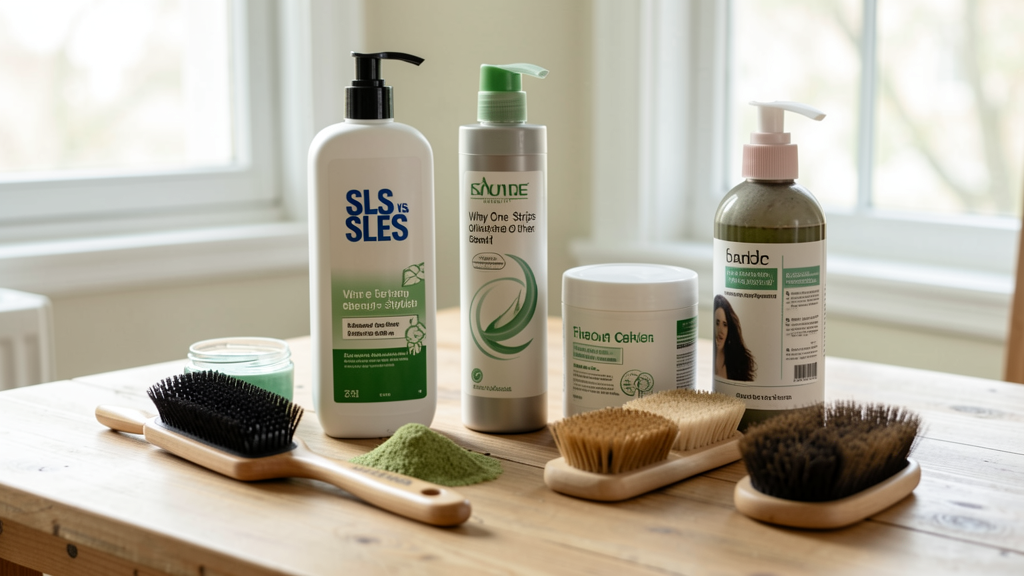
The "squeaky clean" sensation is often treated as the ultimate indicator of a successful wash, but in our studio, we view it as a warning sign. That specific friction—the sound and feel of strands rubbing against each other with zero slip—usually signals that the hydro-lipid barrier has been compromised. Clients frequently complain that their hair feels like straw the moment it dries, despite using expensive conditioners afterward. The culprit is rarely the conditioner; it is almost always the surfactant used in the cleansing step.
While the conversation around sulfates has largely devolved into a binary "sulfates are bad" narrative, the reality sits in the chemistry. Sodium Lauryl Sulfate (SLS) and Sodium Laureth Sulfate (SLES) sound nearly identical, but their molecular aggression profiles differ drastically. Understanding this distinction is the only way to effectively clean the hair and scalp without triggering a panic response in the sebaceous glands.
The Molecular Weight Problem
To understand why SLS strips oils while SLES is comparatively gentle, we have to look at the physical size of the molecules. SLS is a smaller molecule with a linear carbon chain (typically 12 carbons) and a very low molecular weight. Because it is small and highly soluble, it penetrates the surface of the skin and hair shaft very rapidly.
Imagine a swarm of tiny, aggressive soldiers. They don't just wash away the dirt on the surface; they march right through the gaps between your skin cells (the intercellular matrix). Once inside, they are small enough to bind with the natural lipids and fats that keep your scalp barrier intact. They solubilize these essential oils and rinse them down the drain. This mechanism creates the intense foam that marketing departments love, but it also leaves the cuticle raised and the cortex unprotected.
This deep penetration is what causes the immediate tightness and dryness. When SLS disrupts the lipid barrier, the scalp loses water faster than it can replace it, leading to that itchy, flaky reaction many mistake for dandruff. If you are recovering from this kind of aggression, you might need to look into 4 Cheap Oils That Mimic Expensive Serums to replenish that lost lipid layer manually.
How Ethoxylation Changes the Game
SLES begins its life as SLS, but it undergoes a process called ethoxylation. In this chemical step, ethylene oxide is added to the molecule. This addition physically changes the structure—it adds bulk and changes the electrical charge distribution. The result is a larger, heavier molecule that is significantly less irritating to the biological structure of the skin.
Because of this increased size, SLES cannot penetrate the intercellular matrix as easily as SLS. It is too bulky to slip through the microscopic gaps in the scalp's barrier. Instead, it remains primarily on the surface. It still performs the job of a surfactant: it lowers the surface tension of water, binds to sebum and dirt, and emulsifies them so they can be rinsed away. However, it does so without extracting the vital structural lipids that reside deeper within the tissue.
This distinction is crucial for 2026 hair care routines where we are seeing a rise in lightweight, water-soluble silicones. Since SLES cleans the surface effectively without wrecking the internal moisture balance, it pairs perfectly with modern formulations. Silicone Is Not the Enemy: Why Your Hair Needs Water-Soluble Options explains how these surface-level protectants rely on a surfactant that cleans the hair without riddling it with microscopic holes.
The Trade-Off: Irritation vs. Cleansing Power
The molecular aggression of SLS isn't purely negative—it is unmatched in its ability to degrease. For someone with incredibly thick, low-porosity hair that is coated in heavy butters or silicone build-up that isn't water-soluble, a wash with SLS might be necessary once a month to reset the hair. The problem arises when it is used daily on fine, medium, or high-porosity hair.
The lipid barrier on the scalp is a filter. When you use SLS, you are essentially taking a wire brush to that filter. It removes the dirt, but it damages the mesh. Over time, the scalp becomes chronically inflamed. The body tries to compensate by overproducing oil, leading to a confusing cycle where the scalp feels greasy at the roots but the hair lengths are dry and brittle.
SLES, conversely, acts more like a soft sponge. It clears the debris but leaves the mesh of the filter intact. It does not strip the oils as aggressively because it cannot access the deeper reservoirs of sebum as efficiently. This is why a shampoo with SLES will often require a slightly longer massage time to build up a lather compared to SLS, but the post-wash integrity of the hair is vastly superior.
For those with textured hair, specifically 3b types and above, this retention of natural moisture is non-negotiable. Using a harsh surfactant disrupts the curl pattern immediately, forcing you to use heavier styling products to compensate. Understanding the viscosity required to protect that texture is vital, which is why we often discuss the importance of product weight in guides like Leave-In Conditioner vs. Lotion: Why Thickness Matters for 3B Hair.
Reading the Label Correctly
Navigating ingredient lists in 2026 requires a sharper eye than ever before. Manufacturers know that "SLS" has a bad reputation, so they often hide it or use derivatives like "Sodium Dodecyl Sulfate" (which is the chemical synonym for SLS). If you see the word "Lauryl," proceed with caution. It indicates the smaller, more aggressive molecule.
If you see "Laureth" (with the "eth"), you are looking at the ethoxylated version. There is a caveat here: the ethoxylation process can create a byproduct called 1,4-dioxane, a potential carcinogen. Reputable brands vacuum-strip their ingredients to remove this, but lesser-quality manufacturers might not. Therefore, choosing an SLES product usually implies choosing a brand with higher quality control standards than a budget brand using raw SLS.
The Final Verdict on Lipid Health
The panic over sulfates has obscured the real issue, which is molecular aggression. The goal of washing your hair is not to sterilize it; it is to manage the microbiome and remove excess debris without destroying the environment your hair needs to thrive. SLS is a chemical bulldozer. It clears the site but leaves the foundation weak. SLES is a surgical tool; it removes the obstruction with significantly less collateral damage.
If your hair feels stripped immediately after the water hits it in the rinse cycle, check your bottle for "Lauryl." Switching to a "Laureth" based cleanser usually resolves the dryness within a week, simply by allowing the scalp's lipid barrier to function as intended. We must stop viewing shampoo as a battle to be won against oil and start viewing it as a balancing act of chemistry.
Read next
4 Cheap Oils That Mimic Expensive Serums by Fatty Acid Profile
Stop paying for packaging; here is how to match high-end silicone blends using specific fatty acid ratios found in drugstore oils.

Silicone Is Not the Enemy: Why Your Hair Needs Water-Soluble Options
Stop fearing silicones and start choosing the right ones to eliminate frizz without the heavy buildup.