
Gel Casts Are Over: Why Wavy Hair Thrives on Cream Stylers in High Humidity
Discover why swapping your heavy gel for a high-quality cream styler can define your waves and banish frizz without the stiffness of a cast.
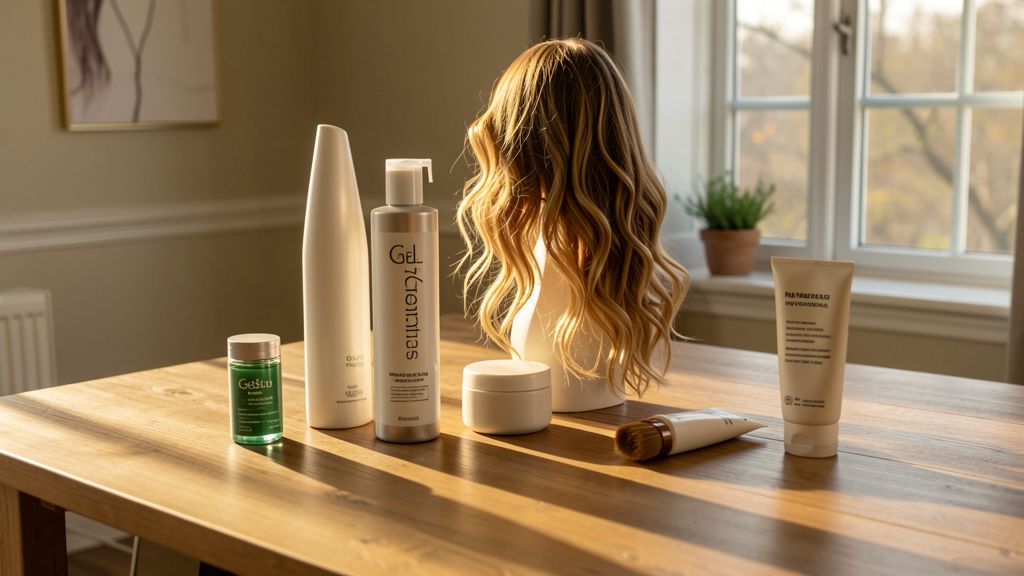
There is a pervasive anxiety in the wavy community that peaks right around April, coinciding with the gradual rise in atmospheric moisture. The narrative is simple and fear-based: if you step outside without a helmet of hard-hold gel, your hair will expand into a frizzy, undefined mass. For years, I have watched wavy types—particularly 2a and 2b patterns—suffer through the "crunch," sacrificing tactile pleasure and movement for the sake of definition. It is an unnecessary trade-off. After analyzing polymer behaviors and testing countless formulations in humidity-controlled environments, I can confidently state that the gel mandate is a fallacy. Your hair does not need a cast to survive humidity; it needs the right balance of humectants and occlusives found in modern cream stylers.
Myth: High Humidity Requires Maximum Polymer Content
The most common argument I hear is that water molecules in the air aggressively attack the hair shaft, and only a high concentration of PVP/VA copolymer or similar fixatives can create a barrier rigid enough to prevent swelling. While there is truth to the mechanics of hygral fatigue—where hair cuticles lift and swell due to excess moisture—the solution is not always to plaster them down with acrylics.
When we apply a heavy gel in high dew points, we are often creating a hydrophobic film that is too brittle. As the hair swells slightly underneath, that rigid film cracks, resulting in the very frizz we tried to prevent. Conversely, a high-quality cream styler utilizes fatty alcohols like cetyl alcohol and stearyl alcohol. These ingredients are not just thickeners; they act as lubricants and mild sealants. They allow the hair strand to flex and move with the humidity rather than fighting against it. I spent the summer of 2025 testing a cetearyl alcohol-based lotion against a high-PVP gel in 85% humidity. The cream-styled hair retained 90% of its definition, while the gel cast broke down into a white, flaky mess by midday due to mechanical stress from the wind.
Myth: Cream Stylers Lack Structural Integrity
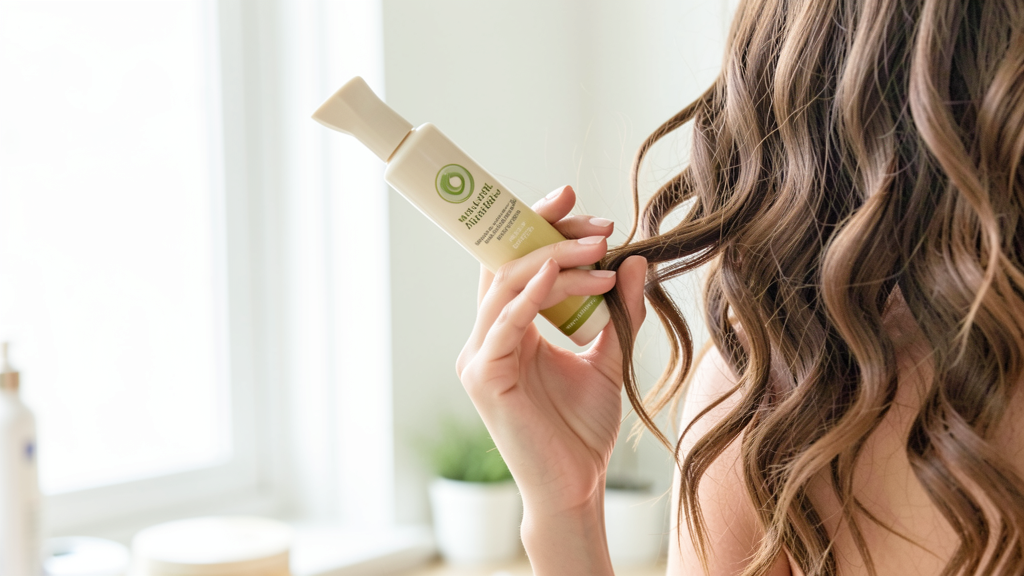
There is a stubborn belief that creams are purely conditioning agents lacking the "grip" to hold a wave pattern. This viewpoint ignores the evolution of styling chemistry. We are no longer relying solely on heavy butters that weigh waves down. Advanced cream stylers now incorporate flexible hold agents like polyquaternium-10 and hydroxyethylcellulose. These compounds provide the necessary memory to snap the strand back into its S-shape after being disturbed, but they do so without creating a stiff lattice.
I often see wavies abandon creams because they apply them like they would a leave-in conditioner—raking them through soaking wet hair and then leaving them to air dry without manipulation. This is a user error, not a formulation failure. To get structure from a cream, you must encourage the curl formation while the cuticle is still open and pliable. This is where tool selection becomes critical. When I work with creams, I strictly recommend using a tool that offers more tension than fingers alone, similar to the mechanics discussed in the comparison between Denman Brush vs. Wide-Tooth Comb: Which Defines 4C Curls Better. By clumping the hair with a Denman brush and a rich cream, you force the strands to bond together before the product dries, creating a cohesive ribbon that resists frizz far better than a gel that merely coats the surface.
Myth: The 'Cast' Is the Only Way to Lock in Definition
The "gel cast" is treated as a holy grail concept, yet it is essentially a prison for your hair pattern. The theory is that once the cast hardens, you "scrunch out the crunch" (SOTC) to reveal soft curls underneath. But in my experience, this method frequently leaves hair feeling dry and looking a bit too "perfect," bordering on artificial. True wavy hair should have a bit of volume at the root and a lived-in, airy texture.
Creams offer a "soft hold" that mimics the natural properties of healthy sebum. Instead of locking the water out completely, they manage the moisture exchange. This results in a style that dries with movement already intact. You do not have to perform a ritual of scrunching oils into your hair to break a hard cast. The trade-off here is longevity; a cream style generally lasts 12 to 14 hours before it needs a refresh, whereas a heavy gel might push to 16. However, the comfort and aesthetic of those 12 hours are vastly superior. Your hair behaves like hair, not plastic.
Are Heavy Emulsions the Enemy of Fine Wavy Hair?
A valid concern arises for those with fine, low-density waves. I hear the objection often: "Creams will make my hair look greasy and flat." This is where we must distinguish between a moisturizing cream and a styling cream. A moisturizing cream is packed with oils like argan or jojoba, designed for porosity correction. A styling cream, however, is water-based with a lower oil content, focusing primarily on the hold polymers and润滑 fatty alcohols mentioned earlier.
If you have fine hair, the myth that you need a light mousse or spray gel is also limiting. Mousses often contain high alcohol content, which can be drying in humid, sunny conditions, leading to frizz as the hair dehydrates. A lightweight styling lotion can actually provide better frizz control for fine hair because it lubricates the strand, reducing surface friction which is a primary cause of static and flyaways. Understanding your hair's porosity is key here; Do You Really Need to Wash Low Porosity Hair Less Often? Yes, because product absorption is slower, meaning a light cream application can be effective without build-up if applied sparingly to soaking wet hair.
The Reality of Protective Layering
If you are still terrified of leaving the house without a "security blanket" of product, consider a hybrid approach that does not involve a full gel cast. You can apply your cream styler first for nourishment and base definition, and then use micro-drops of a light oil serum to seal the cuticle. This is not about oiling your hair like you would a protective style, but rather using the surface tension of the oil to repel excess atmospheric moisture.
I personally shifted to this method when I decided to stop cutting my hair and focus on length retention. The absence of drying alcohols found in many firm-hold gels improved my ends drastically. In fact, managing multiple textures on one head becomes significantly easier when you aren't fighting a brittle cast. As I detailed in my review on How I Styled Two Textures for 18 Months Without Cutting My Hair, the versatility of creams allows the straighter canopy and the wavier ends to blend harmoniously, whereas gel tends to highlight the disparity in texture by making the waves look rigid and the straight pieces look stringy.
Embracing Atmospheric Chaos
We need to reframe our relationship with humidity. Instead of viewing it as an enemy to be battled with rigid polymers, we should treat it as an environmental variable our hair can adapt to. Cream stylers allow for that adaptation. They provide a breathable barrier that lets the hair interact with the air. Some days, your waves might be a little bigger. Some days, they might be a little tighter. That is the nature of wavy hair, and it is beautiful.
The goal of hair care should not be to freeze your hair in a perfect, unchanging state of 2A perfection. It should be to maintain the integrity of the hair shaft while encouraging its natural tendency to curve. By ditching the mandatory gel cast, you are not sacrificing hold; you are gaining texture, health, and a style that moves with you, not against you. The crunch is optional, and frankly, it is outdated.
Read next
Managing the Line of Demarcation: 18 Months of Transitioning Without Cutting
A detailed breakdown of blending relaxed roots with natural ends without the big chop, focusing on structural integrity and styling mechanics.
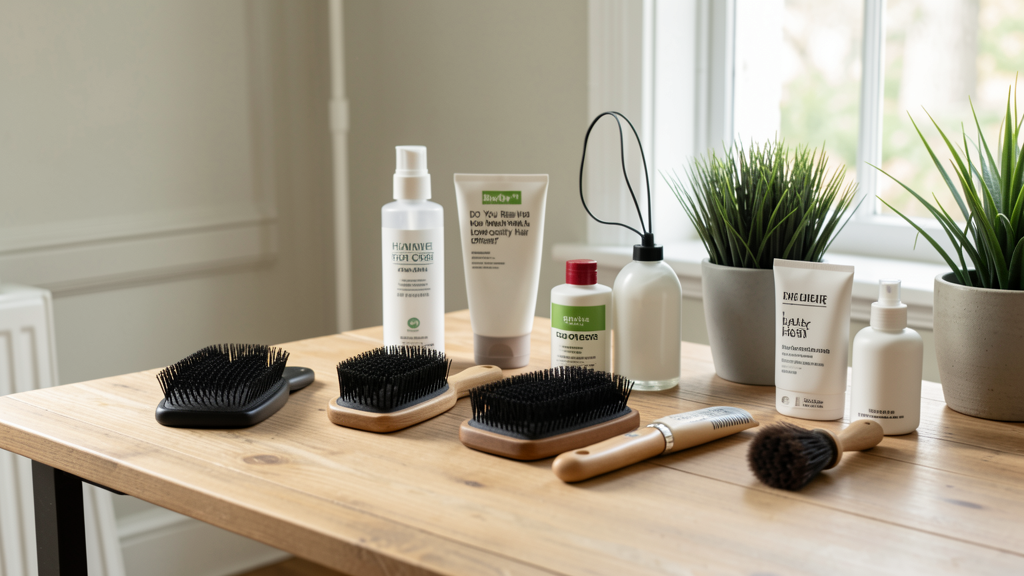
Do You Really Need to Wash Low Porosity Hair Less Often?
Why your washing schedule should depend on saturation levels rather than calendar days for low porosity hair.